What Does a Fiberglass Pool Cost?
Fiberglass pool pricing depends on more than the pool shell itself. Most homeowners are budgeting for a complete backyard project that may include the pool shell, delivery, excavation, placement, plumbing, filtration equipment, electrical setup, decking, startup, permits, and selected upgrades.
Because every property is different, there is no single price that applies to every fiberglass pool project. The final investment is shaped by the pool model, yard access, soil conditions, slope, drainage, local permitting requirements, decking plans, equipment choices, and optional features such as lighting, heating, automation, water features, or expanded outdoor living space.
Quick answer: The best way to think about fiberglass pool cost is by project scope. A simple project with easy access and standard features will usually price differently than a larger backyard design with upgraded equipment, more decking, challenging site conditions, or custom outdoor living features.
This guide will help you understand how fiberglass pool pricing is typically structured, what factors influence the final cost, and how to plan more confidently before requesting a project-specific quote from a local builder.
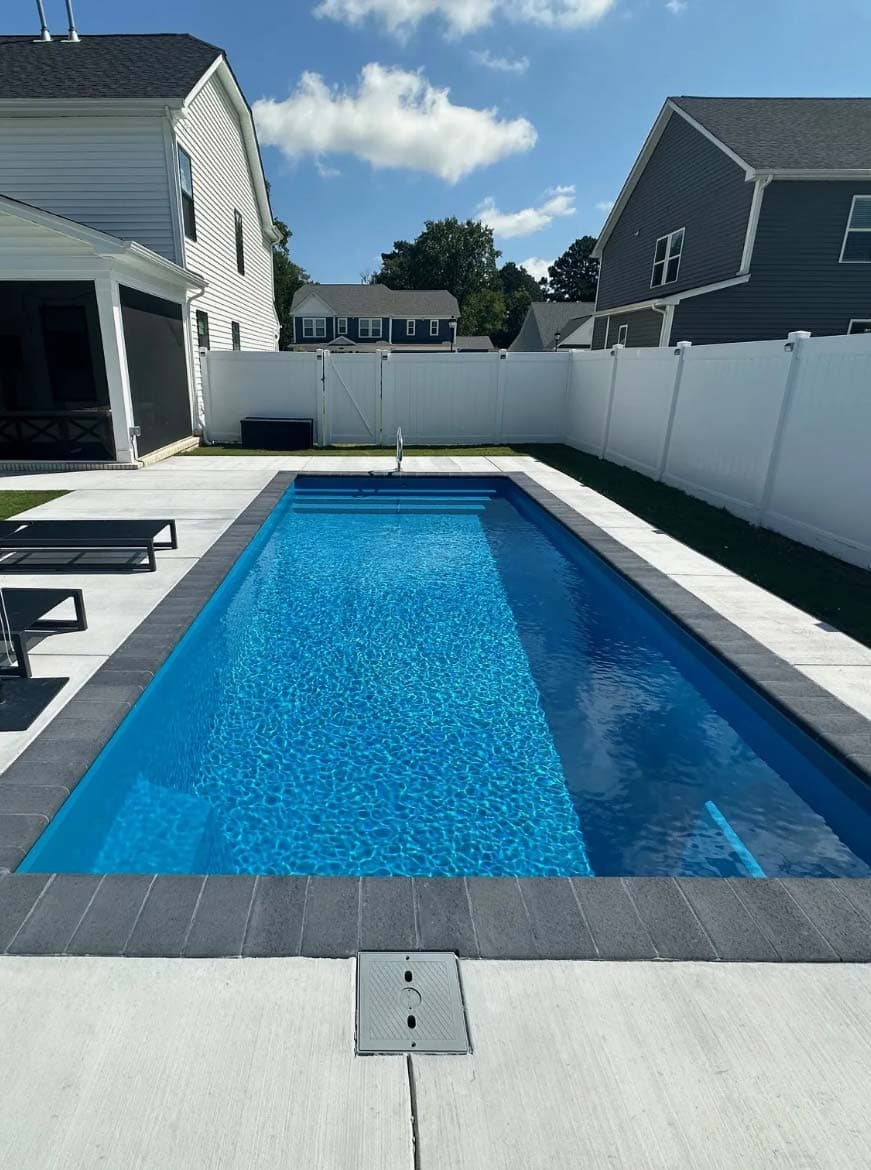
Typical Fiberglass Pool Project Ranges
Fiberglass pool projects usually fall into three general scope categories. These are not fixed prices, but they can help you understand why one project may cost more than another before a site-specific estimate is prepared.
Base Project
A base project is typically the most straightforward type of fiberglass pool installation.
- Standard pool shell and installation scope
- Basic excavation and backfill
- Core circulation and filtration equipment
- Minimal decking immediately around the pool
- Simple yard access and fewer site complications
Mid-Range Project
A mid-range project often includes a larger layout, more usable patio space, or selected comfort upgrades.
- Larger pool models or expanded layouts
- Additional decking or upgraded materials
- Lighting, equipment, or convenience upgrades
- Moderate site or access considerations
- More complete backyard planning around the pool
Complex Project
A complex project usually involves more planning, more site work, or a more customized outdoor living design.
- Challenging site conditions or limited access
- Extensive decking, hardscaping, or outdoor living areas
- Heating, automation, water features, or specialty options
- Retaining walls, drainage work, or slope considerations
- Higher permitting, engineering, or coordination requirements
Exact scope varies by property, layout, dealer, and local requirements. This overview is intended for early planning and does not replace a builder's project-specific quote.
Key Factors That Determine Fiberglass Pool Cost
Fiberglass pool pricing depends on more than the pool itself. The final cost is shaped by the pool model, the condition of the property, the amount of decking and outdoor living space included, and the level of equipment or upgrades selected.
Pool Size, Shape & Model
Cost can increase when: The pool is larger, deeper, more complex to place, or requires more surrounding patio space to complete the layout.
Site Conditions & Access
Cost can increase when: The yard has limited access, difficult excavation conditions, drainage concerns, elevation changes, or obstacles that require extra planning.
Decking, Layout & Features
Cost can increase when: The project includes expanded decking, upgraded materials, lighting, heating, automation, water features, or a larger outdoor living area.
Permits & Local Requirements
Cost can increase when: The project requires additional engineering, inspections, utility coordination, fencing, retaining work, or other location-specific requirements.
Two fiberglass pool quotes can look very different if they include different amounts of decking, equipment, electrical work, site preparation, permits, or optional upgrades. Always compare the full project scope, not just the pool model.
What's Typically Included in a Fiberglass Pool Project
A fiberglass pool project usually includes more than the pool shell. While exact inclusions vary by dealer, location, property conditions, and project scope, most standard installations are built around a core set of products and services that prepare the site, place the pool, connect the equipment, and get the system ready for use.
Fiberglass Pool Shell
The fiberglass shell is the main pool structure and is selected based on the model, size, shape, depth, and layout goals for the backyard.
Delivery & Placement
The pool shell must be delivered to the property and carefully placed into the prepared excavation area using the appropriate equipment for the site.
Excavation & Base Preparation
The yard is excavated for the selected pool model, and the base is prepared so the shell can be set, leveled, and supported properly.
Plumbing & Filtration
Standard plumbing and filtration equipment help circulate, filter, and maintain the pool water as part of the core operating system.
Electrical Connections & Equipment Setup
Electrical work and equipment setup are coordinated so pumps, controls, lighting, or other selected systems can operate safely and correctly.
Basic Decking Around the Pool
Many standard projects include a basic amount of decking or patio space immediately surrounding the pool, with expanded areas priced separately.
Startup & System Testing
Once the pool and equipment are connected, the system is started and tested so the builder can confirm that the basic pool systems are operating.
Exact inclusions can vary by builder and location. Before comparing quotes, ask what is included for decking, electrical scope, permit handling, equipment, startup, access needs, and any site-specific work. This helps you compare the full project scope, not just the pool shell.
Optional Features & Upgrades to Consider
After the base project scope is established, many homeowners choose optional upgrades that improve comfort, convenience, design, or year-round usability. These selections can affect the final project price, so it is helpful to think through which features matter most before requesting a detailed quote.
Controls & Convenience
Pool automation and smart control systems can make it easier to manage pool equipment, lighting, schedules, and selected features from one place.
Automation or app-based pool controls.
Season Extension
Heating systems can help extend the swimming season and improve comfort when water temperatures are cooler.
Pool heater or heat pump.
Water & Lighting
Lighting and water features can change the look and feel of the pool area while making the backyard more enjoyable in the evening.
LED lighting, bubblers, deck jets, or water features.
Sanitation Options
Different sanitation systems can affect maintenance routines, equipment selections, and long-term pool care preferences.
Saltwater sanitation system.
Design Enhancements
Some fiberglass pool models include built-in design features that influence how the pool is used, relaxed in, and enjoyed.
Integrated seating, tanning ledges, benches, or spa-style layouts.
Outdoor Living
Expanded decking, specialty patio materials, seating areas, and outdoor living features can turn the pool into a more complete backyard space.
Larger patio areas, pavers, upgraded decking, or connected entertaining spaces.
Upgrades are best selected based on how you plan to use the pool. A family focused on evening entertaining may value lighting and patio space, while another homeowner may prioritize heating, automation, or low-maintenance equipment options.
Planning for Long-Term Ownership
A fiberglass pool is a long-term backyard investment, so it is helpful to think beyond the initial installation price. Ongoing ownership usually includes routine water care, electricity for pool equipment, seasonal service needs, and normal equipment maintenance or replacement over time.
Routine Care
Every pool needs regular attention to keep the water clear, balanced, and comfortable. This may include water testing, brushing, skimming, filter cleaning, and basic chemical or sanitation maintenance.
Ongoing water balance, cleaning, and routine maintenance.
Utilities
Pool equipment uses electricity to circulate and filter the water. Optional features such as heating, lighting, automation, or water features may also affect monthly operating costs.
Electricity, pump operation, and optional heating or lighting use.
Equipment Lifecycle
Pool equipment is designed to be used regularly, but normal wear items may need service or replacement over time depending on use, climate, water care, and equipment selection.
Pumps, filters, lights, controls, heaters, and other equipment components over time.
Long-Term Costs to Keep in Mind
Long-term pool ownership is easiest to budget for when you understand how often you plan to swim, whether you want heating or automation, how much maintenance you want to handle yourself, and what your local climate requires.
How to Get Accurate Pricing for Your Project
Because fiberglass pool pricing is site-specific, the most reliable way to understand your project cost is to review your property, preferred pool model, backyard layout goals, and local requirements with a qualified builder. A realistic estimate depends on the full project scope, not just the pool shell.
Property & Access
Yard access, delivery path, slope, excavation conditions, drainage, and available equipment space can all affect how the project is planned and priced.
Gate width, driveway access, backyard photos, slope, trees, fences, and visible obstacles.
Local Requirements
Permitting, inspections, setbacks, barrier rules, utility coordination, engineering, and code requirements can vary by city, county, state, and neighborhood.
City, county, HOA rules, setback concerns, utility locations, and any known permit requirements.
Design & Layout
Pool model selection, pool orientation, intended swim areas, seating, tanning ledges, spa options, and how the pool connects to the home all influence the estimate.
Preferred pool size, model ideas, layout goals, sun exposure, patio location, and how you plan to use the pool.
Scope & Selections
Decking size, patio materials, lighting, heating, automation, sanitation options, water features, and other upgrades can change the total project investment.
Desired decking size, equipment preferences, upgrade wishlist, timeline, and budget expectations.
Before Requesting a Quote, Gather These Details
Using This Guide to Plan Your Fiberglass Pool Project
This pricing and planning guide is designed to help you understand how fiberglass pool projects are typically scoped, what factors influence cost, and how to budget more confidently during the early research stage.
Understand the Scope First
Start by thinking about whether your project is likely to be simple, mid-range, or more complex based on the pool model, yard conditions, access, decking, and upgrades you want.
Compare Complete Projects
When reviewing pricing, compare the full project scope instead of only looking at the pool shell. Decking, electrical work, permits, equipment, access, and site preparation can all affect the final number.
Prioritize Your Must-Haves
Decide which features matter most before requesting a quote. Heating, lighting, automation, salt systems, tanning ledges, water features, and expanded patio space can all change the investment.
Talk With a Local Builder
Because every property is different, a qualified local builder can help evaluate your yard, explain local requirements, and turn general pricing guidance into a more accurate project estimate.
Ready to Take the Next Step?
The best way to move from general planning to realistic pricing is to share your project goals, location, preferred pool style, timeline, and any details you already know about your backyard.
The most confident pool buyers usually understand three things before requesting a quote: the type of pool they want, how they want the backyard to function, and which features are essential versus optional.